

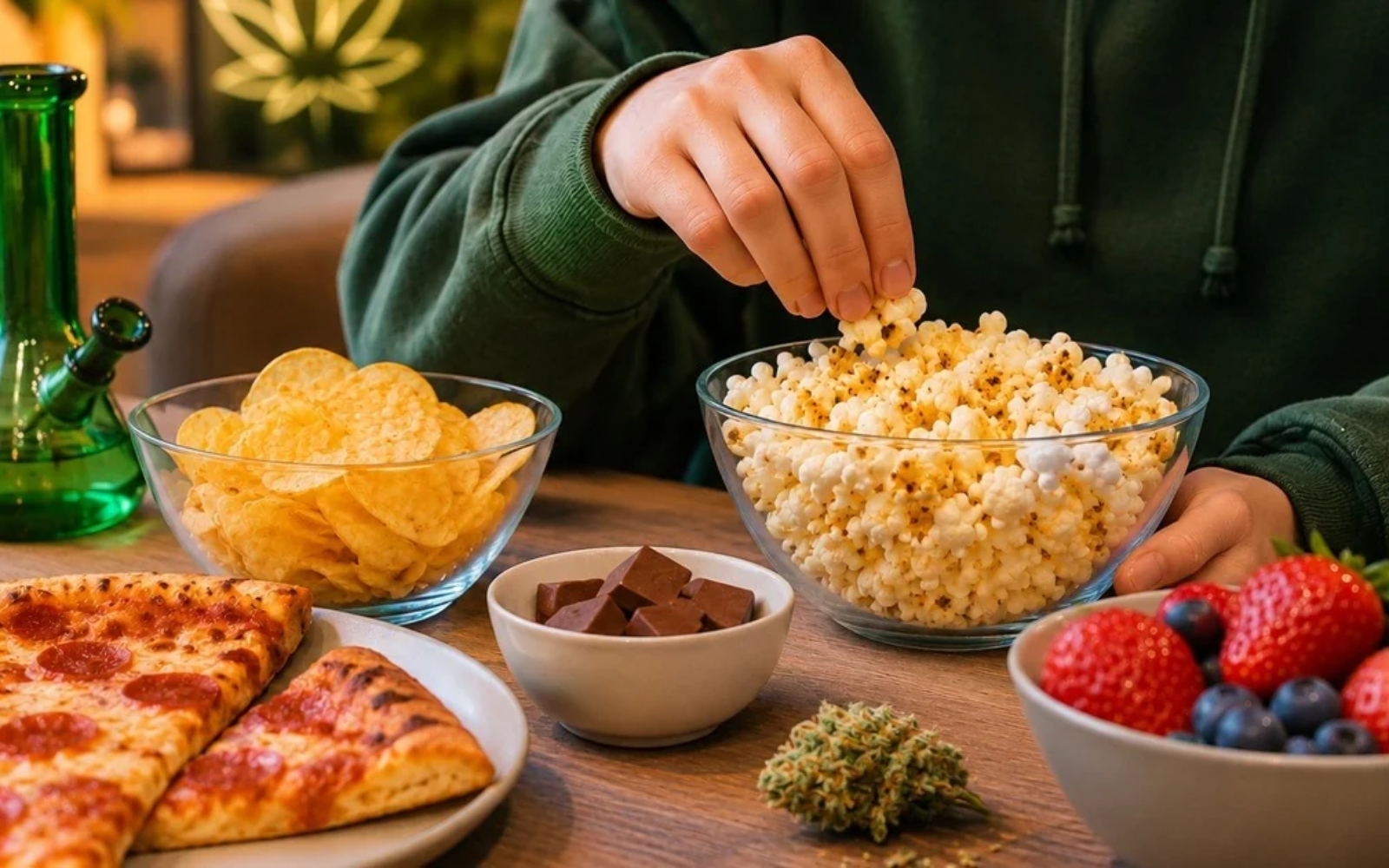
Whether you're familiar with cannabis or have experienced its effects firsthand, you've probably heard of the munchies. That sudden urge to reach for chips, chocolate, or your favorite snack is one of the most recognizable effects associated with marijuana.
But why does weed give you the munchies, even when you've recently eaten?
The answer involves how tetrahydrocannabinol (THC), the main intoxicating compound in cannabis, interacts with your brain's appetite-regulating system. THC can influence hunger signals, food motivation, and how rewarding eating feels.
In this guide, we'll explore the science behind cannabis munchies, why certain foods become more appealing, and practical ways to manage increased appetite.
What Are the Munchies?
The munchies describe a noticeable increase in hunger or food cravings after consuming cannabis, particularly products containing THC.
Imagine finishing dinner and feeling satisfied, only to find yourself craving something sweet or salty shortly afterward. That's a common way people describe cannabis-related appetite changes.
Unlike ordinary hunger, which often develops as your body needs energy, the munchies can involve an increased desire to eat even when you're physically full.
You might notice that:
Food smells more appealing than usual.
Familiar snacks seem especially satisfying.
Sweet, salty, or crunchy foods attract your attention.
You feel motivated to eat despite having recently finished a meal.
You find it harder to recognize when you've had enough.
Not everyone experiences the munchies. Their intensity can vary depending on THC exposure, individual biology, eating habits, and other factors.
Understanding these changes can help explain why cannabis affects appetite differently from person to person.
Why Do You Get Hungry After Getting High?
Weed can make you hungry because THC activates cannabinoid receptors involved in appetite, food motivation, and reward processing. This interaction can make eating feel more appealing, even when your body doesn't need additional food.
Cannabis can also produce other physical responses, such as changes in eye appearance. Understanding why weed makes your eyes red can provide additional insight into how THC interacts with different systems in the body.
The appetite-related effects involve several interconnected brain processes.
THC and the Brain's Feeding System
Your body contains an endocannabinoid system (ECS), a network of receptors and signaling molecules that helps regulate appetite, mood, memory, and energy balance.
THC interacts primarily with cannabinoid type 1 (CB1) receptors, which are found throughout the brain, including areas involved in feeding behavior.
When THC activates these receptors, it can change how your brain responds to hunger and fullness signals.
For example, someone who has recently eaten might still feel motivated to snack because food has become more rewarding.
Research supports the connection between THC and increased food motivation, although the exact response depends on individual factors.
The concentration of THC also varies between products, including different cannabis flower products. However, THC percentage alone cannot predict how strongly a particular person will experience appetite changes.
These interactions help explain why the munchies involve more than simply feeling hungry.
Food Smells Better
Have you ever noticed that ordinary food seems unusually appealing after consuming cannabis?
THC can influence sensory processing, including how people experience smells and flavors.
Because smell contributes significantly to taste, changes in sensory perception may make familiar foods more enjoyable.
For instance, freshly baked pizza, popcorn, or even a simple piece of toast might seem especially tempting.
However, sensory changes differ between individuals, and researchers are still investigating the mechanisms involved.
The important distinction is that cannabis may change your perception of food rather than increase your body's actual nutritional requirements.
Dopamine and the Brain's Reward System
Dopamine is a neurotransmitter involved in motivation, learning, and reward processing.
THC affects brain circuits associated with reward, which may influence how appealing activities such as eating feel.
This doesn't mean cannabis always causes a straightforward increase in dopamine or that every snack produces an unusually large dopamine response.
Instead, the relationship between cannabis and food reward is more complex.
When food feels particularly enjoyable, you may be more motivated to continue eating, even after your usual hunger has passed.
This combination of appetite signaling, sensory perception, and food reward helps explain why weed makes you hungry.
What Are the Best Foods for Munchies?
When cannabis munchies appear, different foods may appeal to different people. Some prefer something sweet, while others want crunchy snacks or a substantial meal.
Choosing satisfying foods with reasonable portions can make it easier to respond to cravings without unintentionally overeating.
Cannabis products also differ in how quickly their effects begin. For example, edible cannabis products generally take longer to produce noticeable effects than inhaled cannabis. Understanding these differences matters, and this guide to choosing the right edible for you explains cannabinoid ratios, potency, and other key considerations.
Sweet Treats
Chocolate, cookies, candy, and ice cream are common choices when cravings increase.
Their sweetness and familiar flavors can make them particularly appealing.
However, eating large quantities of sugary foods may contribute to excess calorie intake and blood sugar fluctuations.
If you enjoy sweet snacks, consider serving a smaller portion instead of eating directly from a large package.
Fresh berries, yogurt, or fruit with a little dark chocolate can provide other satisfying options.
Salty Snacks
Chips, pretzels, crackers, and popcorn are popular because they're convenient, flavorful, and often crunchy.
Their texture can make them enjoyable, especially when food feels more appealing than usual.
However, packaged salty snacks may contain substantial amounts of sodium and added fats.
Air-popped popcorn, lightly salted nuts, or whole-grain crackers can offer alternatives with different nutritional benefits.
Paying attention to portions can also help prevent distracted snacking.
Fresh Fruit
Fresh fruit is a refreshing option for anyone who prefers something naturally sweet.
Watermelon, grapes, mangoes, oranges, and berries provide vitamins, fiber, and varying amounts of water.
Water-rich fruits may also feel soothing when you're experiencing dry mouth, a commonly reported effect of THC.
For a more filling snack, consider pairing fruit with yogurt or a small serving of nuts.
This combination provides additional protein or healthy fats alongside natural sweetness.
Comfort Foods
Pizza, burgers, pasta, and fries are familiar comfort foods that many people enjoy.
Their combination of flavors, textures, carbohydrates, and fats can make them especially satisfying.
However, large portions may leave you feeling uncomfortably full.
If you're genuinely hungry, eating a balanced meal may be more satisfying than repeatedly reaching for small snacks.
Try including vegetables, protein, and fiber-rich foods to create a meal that keeps you satisfied longer.
Frozen Snacks
Ice cream, frozen yogurt, fruit pops, and frozen grapes can be appealing when you want something cool.
Cold foods may temporarily soothe the discomfort associated with dry mouth.
Frozen fruit and yogurt-based snacks can also provide alternatives to heavily sweetened desserts.
No matter what you choose, eating slowly and paying attention to fullness can help you enjoy the experience without eating more than intended.
Are There Other Things That Can Trigger the Munchies?
THC is an important factor behind cannabis-related appetite stimulation, but it's not the only influence.
Your surroundings, emotions, and normal eating patterns can also affect how strongly you experience food cravings.
For example, consuming cannabis when you're already hungry may make food especially appealing.
Other possible influences include:
Food availability: Seeing or smelling appealing food can encourage snacking.
Eating habits: Regularly pairing certain activities with snacks can reinforce familiar routines.
Stress: Emotional discomfort may influence appetite and food preferences.
Boredom: Eating can become an activity when there's little else to occupy your attention.
Sleep patterns: Inadequate sleep can affect appetite regulation and food choices.
Cannabis composition may also matter.
Products differ in THC concentration and other cannabinoids, which can influence their overall effects. However, reliable evidence is lacking for predicting appetite stimulation from strain names or terpene profiles alone.
Individual responses can vary considerably.
Can You Stop the Munchies When Taking Cannabis?
You may not be able to prevent cannabis munchies completely, but certain habits can help you manage cravings and avoid unnecessary snacking.
Here are several practical approaches.
Switch Strains or Consider THC Content
Different cannabis products contain different concentrations of THC and CBD.
Because THC is closely associated with appetite stimulation, products containing less THC may produce less pronounced effects for some individuals.
Reviewing cannabinoid information on CBD products can also help readers understand how CBD-containing options differ from products dominated by THC.However, switching between products marketed as indica, sativa, or hybrid does not guarantee a predictable change in appetite.
CBD should not be considered a proven treatment for cannabis-related hunger.
If you're concerned about persistent appetite changes or other cannabis effects, consider discussing them with a qualified healthcare professional.
Drink Water
Cannabis can cause dry mouth, which may make drinking water particularly helpful.
Keeping water nearby can relieve thirst and encourage you to pause before reaching for another snack.
Although drinking water doesn't directly reverse THC-related appetite stimulation, staying hydrated supports normal bodily functions.
You can also choose unsweetened beverages or water-rich foods when you want something refreshing.
Anticipate the Urge
If you regularly experience increased appetite after consuming cannabis, planning ahead may help.
Prepare a few satisfying snacks before cravings begin.
Consider options such as fruit, yogurt, vegetables with hummus, or whole-grain crackers.
Having food ready can make it easier to choose portions intentionally instead of reaching for whatever is most convenient.
Pre-Portion Your Snacks
Eating directly from a large bag can make it difficult to notice how much you've consumed.
Instead, place a reasonable serving into a bowl or plate.
This creates a natural stopping point and gives you an opportunity to assess whether you're still hungry.
Pre-portioning can be useful for everyday eating habits, regardless of cannabis use.
Wait Until You Can Assess Your Appetite
Cannabis effects vary depending on the product, amount consumed, and method of consumption.
Instead of eating whenever a craving hits, pause and consider whether you're physically hungry or just in the mood for food.
Keep in mind that cannabis edibles can have delayed effects. Their effects may take up to two hours or longer to become noticeable, and taking additional THC while waiting can increase the risk of overconsumption.
Avoid using appetite changes as a reason to consume more cannabis.
Savor Every Bite and Practice Mindful Eating
Mindful eating involves paying attention to your food, appetite, and sense of fullness.
Instead of eating while distracted, try sitting down and focusing on your meal or snack.
Notice the flavors, textures, and how satisfied you feel as you eat.
Taking your time can help you recognize when you've had enough.
Although mindful eating won't eliminate the biological effects of THC, it may support more intentional food choices.
Advantages of Cannabis Munchies
The munchies are often seen as an inconvenience, but appetite stimulation may benefit certain medical situations.
It's important to distinguish ordinary recreational cannabis use from medically supervised cannabinoid treatments.
Can Help With Weight Gain
Some people lose their appetite because of illness or medical treatment.
In specific clinical settings, certain prescription cannabinoid medications may be used to stimulate appetite.
For example, the FDA has approved dronabinol, a synthetic form of THC, for appetite loss associated with weight loss in people with AIDS.
However, this does not mean that recreational cannabis is an approved or appropriate weight-gain treatment.
Anyone experiencing unexplained weight loss or persistent appetite problems should seek medical guidance.
May Help With Certain Types of Nausea
Cannabinoids have been studied for their potential effects on nausea and vomiting.
Certain FDA-approved cannabinoid medications are used to treat chemotherapy-related nausea and vomiting in specific circumstances.
However, cannabis itself can also cause nausea, and frequent long-term use may lead to cannabinoid hyperemesis syndrome (CHS), a condition involving repeated episodes of severe vomiting.
Therefore, cannabis should not be viewed as a universally effective nausea treatment.
Increased Enjoyment of Food
Some people report that food tastes or smells more appealing after consuming THC.
This heightened interest in eating may be meaningful for individuals who experience reduced enjoyment of food.
However, personal experiences vary, and increased food enjoyment doesn't necessarily indicate improved nutritional health.
Balanced food choices remain important.
Promotes Relaxation
Some individuals associate cannabis with relaxation and may enjoy eating during quiet social activities.
However, cannabis can also cause anxiety, dizziness, impaired judgment, or other unwanted effects.
The experience depends on individual factors and the product involved.
Relaxation should not be interpreted as a guaranteed benefit of cannabis use.
Support Digestion
Some people report changes in digestive comfort after consuming cannabis.
However, evidence does not establish that cannabis munchies improve digestion.
In fact, cannabinoids can affect gastrointestinal movement, and cannabis use may contribute to digestive symptoms in some individuals.
The National Institutes of Health identifies digestive problems, including cannabinoid hyperemesis syndrome, among possible cannabis-related health effects.
If you experience persistent abdominal discomfort, nausea, or vomiting, seek medical advice rather than relying on cannabis to manage those symptoms.
Frequently Asked Questions
Why does weed give you the munchies even when you're full?
THC interacts with CB1 receptors involved in appetite and food reward. This can increase your motivation to eat even after a recent meal. This effect doesn't necessarily mean your body needs more calories.
Does THC make everyone hungry?
No. Although increased appetite is a recognized effect of THC, not everyone experiences it. Individual biology, THC concentration, tolerance, and other factors may influence the response.
How long do cannabis munchies last?
There is no fixed duration. Appetite changes may occur while THC is active, and their timing can vary depending on how cannabis was consumed, the amount taken, and individual metabolism. Edibles can produce longer-lasting effects than inhaled cannabis.
Can CBD cause the munchies?
CBD is not generally associated with the same appetite-stimulating effects as THC. Its effects on appetite are less predictable, and some people report reduced appetite. Products containing both THC and CBD may produce different responses.
How can you stop the munchies after smoking weed?
There is no proven instant way to stop THC-related hunger. Drinking water, preparing balanced snacks, serving smaller portions, and practicing mindful eating may help manage cravings. Reducing THC exposure may also reduce appetite-related effects for some people.
Do indica and sativa strains cause different levels of hunger?
There is insufficient evidence that indica or sativa labels reliably predict how strongly a product will stimulate appetite. THC concentration, overall cannabinoid composition, and individual responses are more useful considerations than strain labels alone.
Why do sweet and salty foods taste better when you're high?
THC can influence sensory perception and food reward, potentially making familiar flavors and textures feel more appealing. However, responses vary, and not everyone experiences stronger cravings for sweet or salty foods.
Can cannabis munchies help people with low appetite?
Certain prescription cannabinoid medications have established medical uses for specific appetite-related conditions. However, recreational cannabis is not an approved substitute for medical treatment. People experiencing ongoing appetite loss should consult a healthcare professional.