

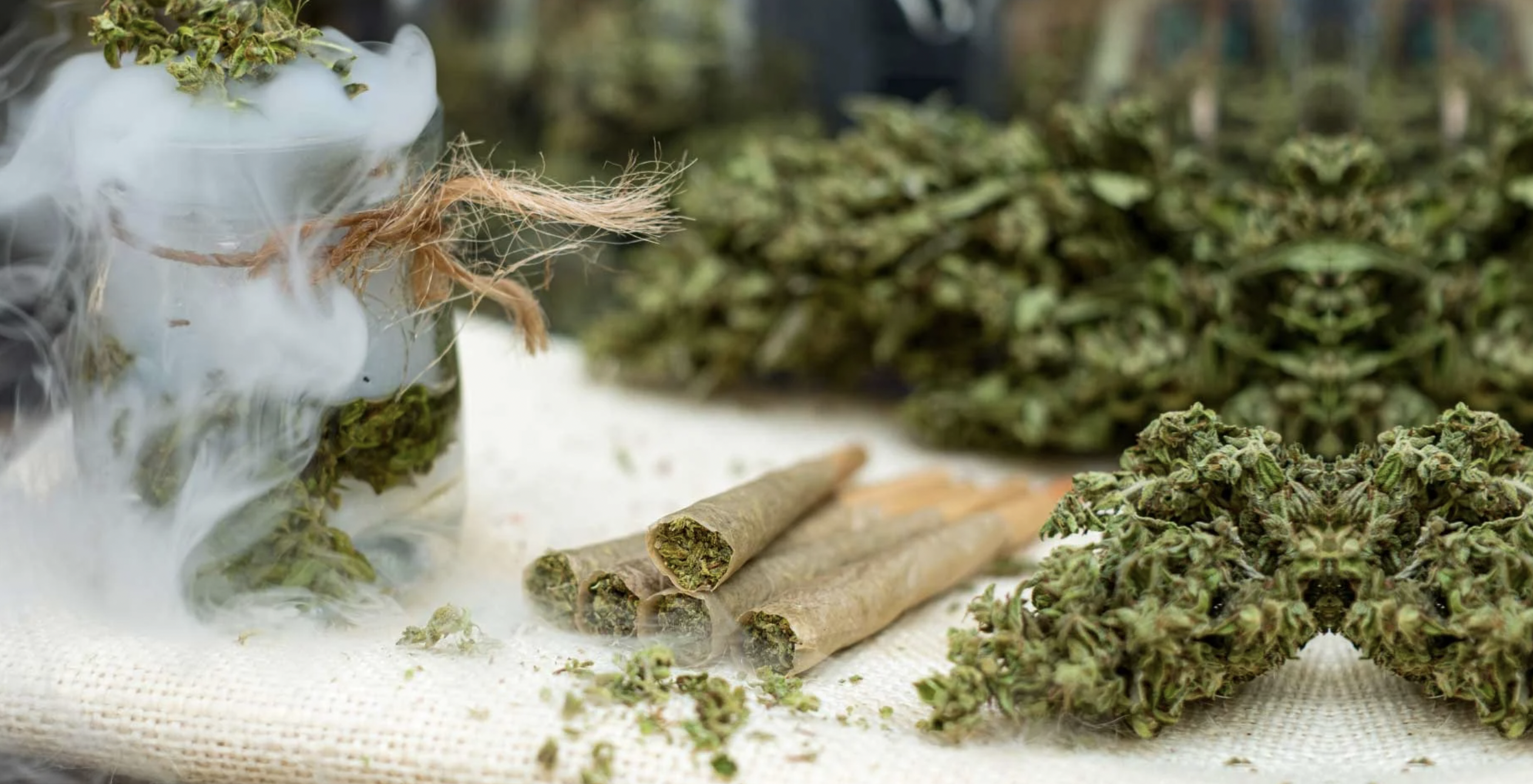
If you've ever been around cannabis smoke indoors, you probably know how stubborn the smell can be. Unlike everyday household odors that fade relatively quickly, marijuana smoke can leave a noticeable scent on furniture, clothing, carpets, and other surfaces long after the smoke itself disappears.
You might open a window, leave the room for a while, and return to find that familiar smell still lingering. Even when the air seems fresh, smoke residue trapped in fabrics may continue releasing unwanted odors.
So, how do you get rid of weed smell effectively?
The most practical approach combines fresh-air ventilation, suitable air filtration, and cleaning surfaces that have absorbed smoke residue. Air fresheners may temporarily mask the scent, but they don't necessarily remove the substances causing it.
In this guide, we'll explain why cannabis odors linger and explore practical ways to reduce weed smell in your home, car, furniture, hair, and clothing.
Why Does the Weed Smell Linger After Smoking?
Cannabis has a distinctive aroma because it contains naturally occurring aromatic compounds, including terpenes. These compounds contribute to the earthy, herbal, citrus-like, or skunky scents associated with different cannabis varieties.
When cannabis burns, it releases a mixture of gases, fine particles, and chemical compounds into the surrounding air.
Some of these substances contribute to the smell, while others can settle on nearby surfaces and leave behind smoke residue.
Weed smell can linger because airborne odor compounds remain in poorly ventilated spaces, while smoke-related residue accumulates on fabrics, furniture, walls, and other materials.
This explains why opening a window may improve the smell temporarily without fully removing it.
Several factors can influence how long cannabis odor remains noticeable:
Ventilation: Rooms with limited airflow may retain airborne odors longer.
Smoke exposure: Repeated indoor smoking can increase residue buildup.
Soft furnishings: Curtains, couches, and carpets can retain smoke-related smells.
Room size: Smaller enclosed spaces may develop stronger odor concentrations.
Cleaning frequency: Residue left on surfaces can contribute to persistent odors.
Humidity and temperature: Environmental conditions can affect how odors are perceived and how materials retain moisture.
Odor strength doesn't necessarily indicate how much harmful smoke pollution remains in the air. Even when the smell becomes less noticeable, fine particles or other pollutants may still be present.
Understanding this difference is important when deciding which cleaning methods are most appropriate.
Ways to Get Rid of the Weed Smell in Your Home
Removing cannabis odor from a home usually requires more than one cleaning method.
The best approach depends on whether the smell is mainly circulating in the air or has settled into furniture, carpets, and other household materials.
Start by identifying the areas where smoke exposure occurred, then address the air and affected surfaces.
Getting Rid of Cannabis Smell in the Air
Airborne cannabis odor may improve relatively quickly with proper ventilation, particularly when the source of smoke has been removed.
However, lingering smells may require additional filtration and cleaning.
Open Windows and Create Airflow
Fresh-air ventilation is one of the simplest ways to reduce indoor smoke odor.
Opening windows on opposite sides of a room can encourage cross-ventilation, allowing stale indoor air to move outside while fresh air enters.
For better results:
Open windows when outdoor air quality is suitable.
Use an exhaust fan that moves indoor air outdoors.
Keep interior doors open when appropriate to improve circulation.
Avoid directing smoke-filled air into neighboring homes or shared indoor spaces.
The sooner you ventilate a room after smoke exposure, the less opportunity airborne particles have to remain concentrated indoors.
However, opening windows is not always advisable when outdoor air pollution is high. In those situations, appropriate indoor filtration may be a better option.
Use Fans or Air Purifiers
Fans can improve airflow, but they do not remove smoke particles or odor compounds on their own.
Air purifiers provide an additional level of filtration.
According to the U.S. Environmental Protection Agency (EPA), high-efficiency particulate air (HEPA) filtration can help reduce airborne particles, including certain smoke particles.
However, HEPA filters alone are not designed to remove most gaseous odors.
For better odor control, consider an air purifier that combines:
A HEPA filter for airborne particles.
A substantial activated carbon filter for certain odor-causing gases.
Adequate airflow capacity for the room size.
Activated carbon can help adsorb some gaseous pollutants, although its effectiveness depends on the amount of carbon, the compounds present, and filter maintenance.
Air purifiers work best alongside source control, ventilation, and regular cleaning.
Avoid ozone-generating air cleaners. Ozone can irritate the respiratory system and may create additional indoor air quality problems.
Light Candles or Use Odor Neutralizers
Scented candles and air fresheners are popular household solutions, but they often add fragrance rather than eliminate smoke residue.
For example, a candle might temporarily make a room smell like vanilla or citrus without removing the cannabis-related compounds already present.
Some odor-control products can reduce particular odors, but effectiveness varies by formulation and surface.
When using household odor products:
Follow the manufacturer's instructions.
Choose products suitable for the affected area.
Avoid excessive fragrance in poorly ventilated spaces.
Keep sprays away from children, pets, and sensitive materials.
Avoid ozone-based odor treatments.
Adding more fragrances can sometimes make indoor air uncomfortable, especially for people with asthma or fragrance sensitivities.
For persistent weed smell, ventilation and physical cleaning are usually more useful than simply covering the odor.
Getting Rid of Cannabis Smell From the Couch
Couches and upholstered furniture can retain smoke-related odors because their fabric, padding, and seams provide places for residue to accumulate.
You may notice the room smells fresher after ventilation, but the odor returns when someone sits on the couch.
This happens because soft furnishings can retain odor-producing compounds even after the surrounding air has improved.
Fabric Absorbs Smoke Easily
Different upholstery materials respond differently to smoke exposure.
Fabric couches, especially those with thick cushions or textured coverings, can retain odors in their fibers and padding.
Check the furniture's care label before applying any cleaning product.
Depending on the material, suitable options may include:
Using an upholstery-safe cleaning product.
Wiping appropriate hard surfaces.
Washing removable fabric covers.
Cleaning cushions according to manufacturer instructions.
Avoid saturating upholstery with water or cleaning sprays, as excessive moisture can damage padding and encourage mold growth.
Always test cleaning products on a small, hidden area first.
Vacuum and Refresh Regularly
Vacuuming can remove dust and some deposited particles from upholstery.
A vacuum equipped with effective filtration may also help reduce the redistribution of fine dust during cleaning.
Focus on cushions, seams, and areas where particles can accumulate.
If the couch has removable, washable covers, follow the care instructions and allow them to dry completely before replacing them.
For persistent smoke odors, professional upholstery cleaning may be necessary.
The goal is to remove accumulated residue rather than repeatedly add fragrance to the fabric.
Getting Rid of Cannabis Smell From Carpets and Rugs
Carpets and rugs are another common source of lingering indoor odors.
Their fibers can collect dust and smoke-related residue, while thicker materials may retain odors beyond the surface.
That is why a room may still smell unpleasant even after the windows have been open for several hours.
Carpets Trap Odor Below the Surface
Regular vacuuming helps remove loose particles from carpet fibers.
For better results, use a vacuum with effective filtration and follow the carpet manufacturer's cleaning recommendations.
When odor persists, appropriate carpet shampooing or professional cleaning may help remove deeper residue.
Be careful when using steam or hot-water extraction on delicate rugs or carpets with moisture-sensitive backing.
Let carpets dry thoroughly after cleaning to avoid additional moisture-related problems.
Use Baking Soda for Odor Control
Baking soda is a familiar household deodorizing material.
It may help reduce certain smells on some surfaces, although results vary and it is not a complete solution for smoke contamination.
If you choose to use it on carpet, first check whether the carpet and vacuum manufacturers recommend it.
Fine baking soda powder can be difficult to remove completely and may affect some vacuum cleaners.
For heavily affected carpets, suitable cleaning products or professional treatment may be more effective.
Remember that removing the smell and removing smoke-related pollutants are not always the same thing.
Getting the Weed Smell Out of Your Car
A vehicle's enclosed interior can retain odors because smoke-related compounds may accumulate on seats, carpets, upholstery, and ventilation components.
Even after the visible smoke disappears, the smell may remain noticeable when you enter the vehicle.
To remove the smell of weed from a car, focus on ventilation, upholstery cleaning, and removing residue from interior surfaces.
Keep in mind that cannabis consumption in motor vehicles is restricted under New York law, and driving while impaired is illegal.
Air Out the Car
Park the vehicle safely in a suitable location.
Open the doors or windows to allow fresh air to circulate through the cabin.
If outdoor air quality is good, ventilation can help reduce airborne odor concentrations.
Use the vehicle's ventilation system as appropriate, but remember that circulating air does not necessarily eliminate odor-producing residue.
Do not drive while impaired or use open windows as a substitute for allowing cannabis-related impairment to wear off.
Interior Deep Cleaning
A thorough interior cleaning may be necessary when cannabis odor has settled into multiple surfaces.
Start with areas that commonly collect dust and residue.
These include:
Fabric seats and headrests
Floor mats and carpeting
Door panels
Dashboard surfaces
Interior windows
Upholstery seams
Vacuum fabric materials and clean hard surfaces using products suitable for automotive interiors.
Wash removable floor mats when their care instructions permit it.
If odors remain, consider replacing the cabin air filter according to the vehicle manufacturer's recommendations.
Persistent smells may also require professional automotive upholstery cleaning.
Use Air Fresheners
Car air fresheners may temporarily improve how the interior smells, but they do not remove accumulated smoke residue.
For longer-lasting results, clean the vehicle before introducing any fragrance.
Avoid heavily scented products that could cause irritation or distract from driving.
A clean interior and properly maintained ventilation system generally provide a more practical foundation for odor management.
Getting Weed Smell Out of Hair and Clothes
Cannabis smoke can leave odors on clothing and hair after exposure.
Fabrics such as hoodies, jackets, sweaters, and other textured materials can retain smoke-related compounds.
Hair can also pick up airborne odor molecules and particles.
Removing Weed Smell From Clothes
Washing affected clothing according to its care label is one of the most practical ways to remove cannabis smoke odor.
Start by separating smoky clothing from freshly washed items.
Use an appropriate laundry detergent and follow the recommended washing instructions.
For stronger odors, a second wash may help, provided the fabric can tolerate it.
Make sure clothing dries completely before storing it.
Outerwear that cannot be machine-washed may require spot cleaning, airing out, or professional dry cleaning.
Fabric sprays can temporarily alter the scent, but they are not a substitute for laundering heavily affected garments.
Removing Weed Smell From Hair
Hair can retain smoke odors, particularly after prolonged exposure in enclosed spaces.
Washing your hair with regular shampoo can help remove accumulated residue and fragrance compounds.
If you can't wash immediately, move away from the smoke source and let fresh air circulate to reduce the noticeable scent over time.
However, perfumes and scented hair products generally cover odors rather than fully remove the underlying residue.
Regular hygiene and reducing smoke exposure are more useful for managing recurring problems.
How to Hide the Smell of Weed
Sometimes people want to reduce noticeable cannabis odor rather than perform a complete deep cleaning.
However, it's important to distinguish temporary odor masking from actual odor reduction.
A space that smells fresh may still contain harmful airborne particles or smoke residue.
The following approaches can help limit odor buildup and improve general indoor cleanliness.
Choose Your Location Carefully
Where smoke exposure occurs can significantly affect how much odor accumulates.
Enclosed rooms with limited ventilation are more likely to retain strong smells.
Avoiding indoor smoke is the most effective way to prevent smoke residue from building up indoors.
Remember that outdoor cannabis use is also subject to location-specific laws and restrictions.
In New York, cannabis smoking is prohibited in many public places, including certain parks, beaches, public transportation areas, and locations where tobacco smoking is restricted.
If you're unsure about where cannabis consumption is permitted, review the applicable state and local rules before using it.
Use a Personal Filter
Some products are marketed as personal smoke filters.
These devices may reduce certain particles or odors in exhaled smoke, depending on their design and filtration material.
However, they do not necessarily capture smoke released directly from burning cannabis.
Their effectiveness varies, and they should not be considered a reliable way to eliminate indoor air pollution or secondhand smoke exposure.
Improving ventilation and preventing smoke buildup remain more practical approaches.
Store Your Cannabis Properly
Cannabis flower can produce a strong aroma even before it is smoked.
Much of this natural scent comes from terpenes and other volatile compounds present in the plant.
Storing cannabis in an appropriate, airtight container can help limit how much of that aroma spreads into the surrounding environment.
For proper storage:
Use secure containers intended for cannabis.
Keep products away from excess heat and direct sunlight.
Avoid unnecessary exposure to moisture.
Follow the storage instructions on the product label.
Keep cannabis locked away from children and pets.
If you're uncertain about freshness or shelf life, our guide on whether weed goes bad explains how storage conditions can affect cannabis over time.
Proper storage may reduce the smell of unused cannabis, but it will not remove odors already deposited by smoke.
Keep Up With Regular Cleaning
Regular household cleaning can help prevent smoke residue and other odor-producing materials from accumulating.
Focus on surfaces that frequently collect dust and airborne particles.
Vacuum rugs and furniture, wash washable fabrics, and wipe down suitable hard surfaces.
Pay special attention to rooms with limited ventilation or heavy fabric furnishings.
If odors keep returning, consider whether residue remains in upholstery, curtains, or other materials that haven't been cleaned yet.
A Smarter Way to Deal With Weed Smell
The most effective approach to controlling cannabis odor combines several methods rather than relying on one quick solution.
Start by reducing exposure to smoke.
Next, improve ventilation when outdoor air quality allows it.
Use suitable air filtration to address airborne particles and certain gases, then clean the surfaces where residue may have settled.
For practical odor management, remember these four priorities:
Source control: Prevent additional indoor smoke buildup whenever possible.
Ventilation: Replace stale indoor air with cleaner outdoor air when conditions permit.
Filtration: Use suitable air cleaners to reduce airborne particles and some gaseous odors.
Surface cleaning: Remove accumulated residue from furniture, fabrics, carpets, and other materials.
These methods align with the EPA's general recommendations for improving indoor air quality.
No household technique can guarantee the immediate removal of every smoke-related pollutant.
When exposure is repeated, or odors have accumulated over a long period, more extensive cleaning may be needed.
Frequently Asked Questions
How long does weed smell last in a room?
Weed smell may remain noticeable for several hours or longer, depending on ventilation, smoke exposure, room size, and the materials present. Odors trapped in fabrics or upholstery can last much longer without cleaning. There is no universal time when all smoke-related pollutants disappear.
What is the fastest way to get rid of weed smell in a house?
Stop the source of smoke, ventilate the room when outdoor air is clean, and use suitable air filtration. If the smell persists, clean affected fabrics and surfaces. Air fresheners may temporarily cover the odor but will not necessarily remove smoke residue.
Does opening windows remove weed smell?
Opening windows can reduce airborne cannabis odor by allowing fresh air to replace stale indoor air. However, ventilation alone may not remove smells that have settled into carpets, curtains, couches, and other surfaces.
Can an air purifier remove cannabis smell?
Some air purifiers can help. HEPA filters capture airborne particles, while substantial activated carbon filters may reduce certain odor-causing gases. Performance depends on filter design, room size, airflow, and maintenance. No air purifier guarantees complete odor removal.
Does baking soda get rid of the weed smell?
Baking soda may reduce some household odors, but its effectiveness against cannabis smoke residue is limited and varies by application. It doesn't replace ventilation or proper cleaning. Check material and equipment recommendations before using baking soda on carpets or upholstery.
How do you remove weed smell from a couch?
Start by checking the couch's care label. Vacuum accessible upholstery, wash removable covers when permitted, and use upholstery-safe cleaning products. Deeply embedded smoke odors may require professional cleaning.
How do you get weed smell out of a car?
Ventilate the parked vehicle, vacuum seats and carpeting, wipe appropriate interior surfaces, and clean or replace affected materials when necessary. Replacing the cabin air filter may help with some odors. Avoid relying only on air fresheners, which primarily mask smells.
How do you get weed smell out of clothes without washing them?
Airing out clothing may reduce some noticeable odors, and a suitable fabric spray may temporarily improve the scent. However, laundering is generally more effective for removing smoke-related residue. Follow the garment's care instructions.
Does weed smell go away on its own?
Airborne cannabis odors may fade over time, especially with adequate ventilation. However, smoke-related residue can remain on furniture and other surfaces. The absence of a noticeable smell does not guarantee that the air is free from smoke pollutants.
Can candles or air fresheners completely remove weed smell?
Not usually. Scented candles and air fresheners mainly add fragrance, which can temporarily mask cannabis odors. Some specialized products may reduce specific odor compounds, but cleaning and ventilation are more reliable approaches to addressing smoke residue.
Can weed smell travel through apartment vents?
Yes. Odor compounds and airborne particles can move between spaces through shared ventilation systems, openings, or gaps around doors and building materials. How far they travel depends on airflow and building conditions.
Does storing cannabis in an airtight container prevent the smell?
An appropriate airtight container can help reduce the escape of natural cannabis aromas during storage. However, it cannot eliminate odors already present in a room from previous smoke exposure.
Final Thoughts
Learning how to get rid of weed smell starts with understanding why the odor remains in the first place.
Cannabis smoke releases gases and particles that can linger in the air and accumulate on fabrics, furniture, clothing, carpets, and other surfaces.
Opening windows may reduce airborne odors, but additional cleaning is often necessary when smoke residue has settled into household materials.
HEPA filtration, suitable activated carbon filters, regular vacuuming, laundering, and proper surface cleaning can all help.
Rather than relying on candles or fragrances alone, focus on removing odor sources and improving overall indoor air quality.
The most effective long-term approach is to prevent indoor smoke buildup, maintain clean surfaces, and address lingering odors before they become harder to remove.
Visit New Metro in Bayside, Queens, NY
Have questions about cannabis products, storage, or local cannabis regulations? Visit New Metro at 22150 Horace Harding Expressway, Bayside, NY 11364, serving adults 21 and older in Queens and nearby Nassau County communities. Use the map to check the store's location and plan your visit.